RSU launches new event series to study human movement
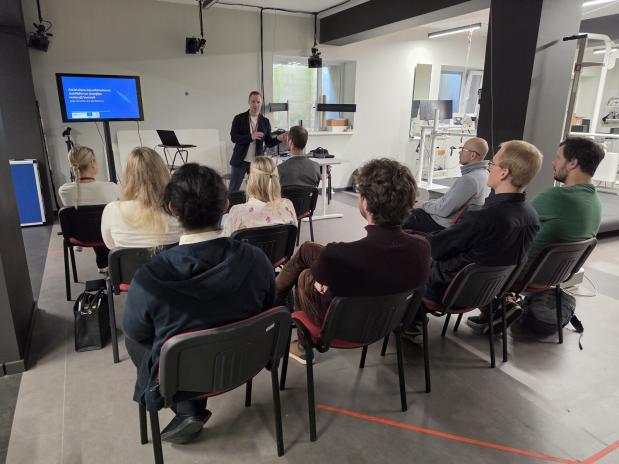
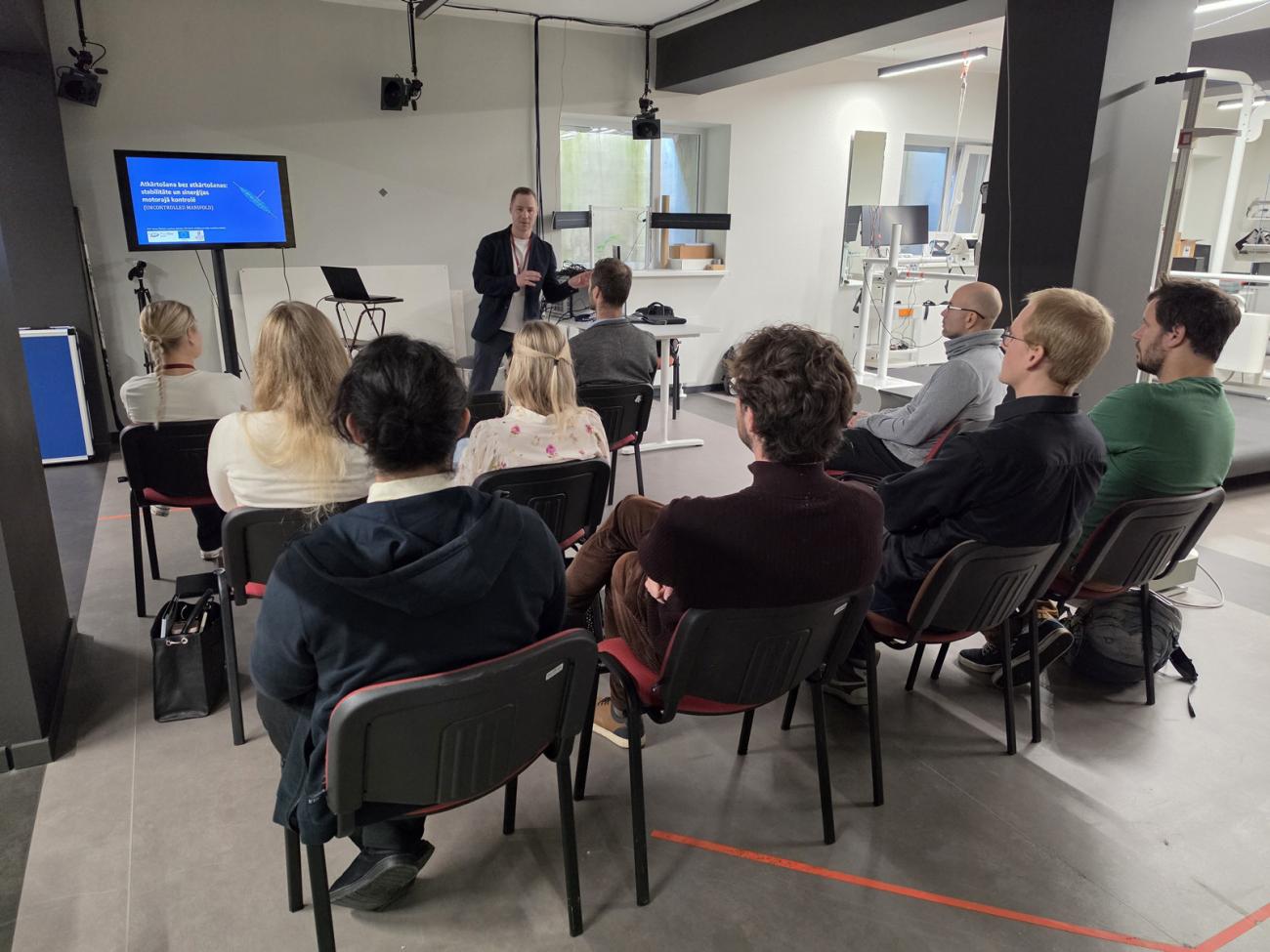
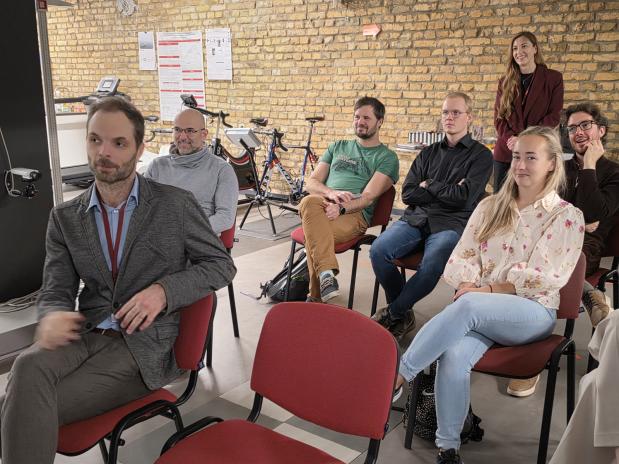
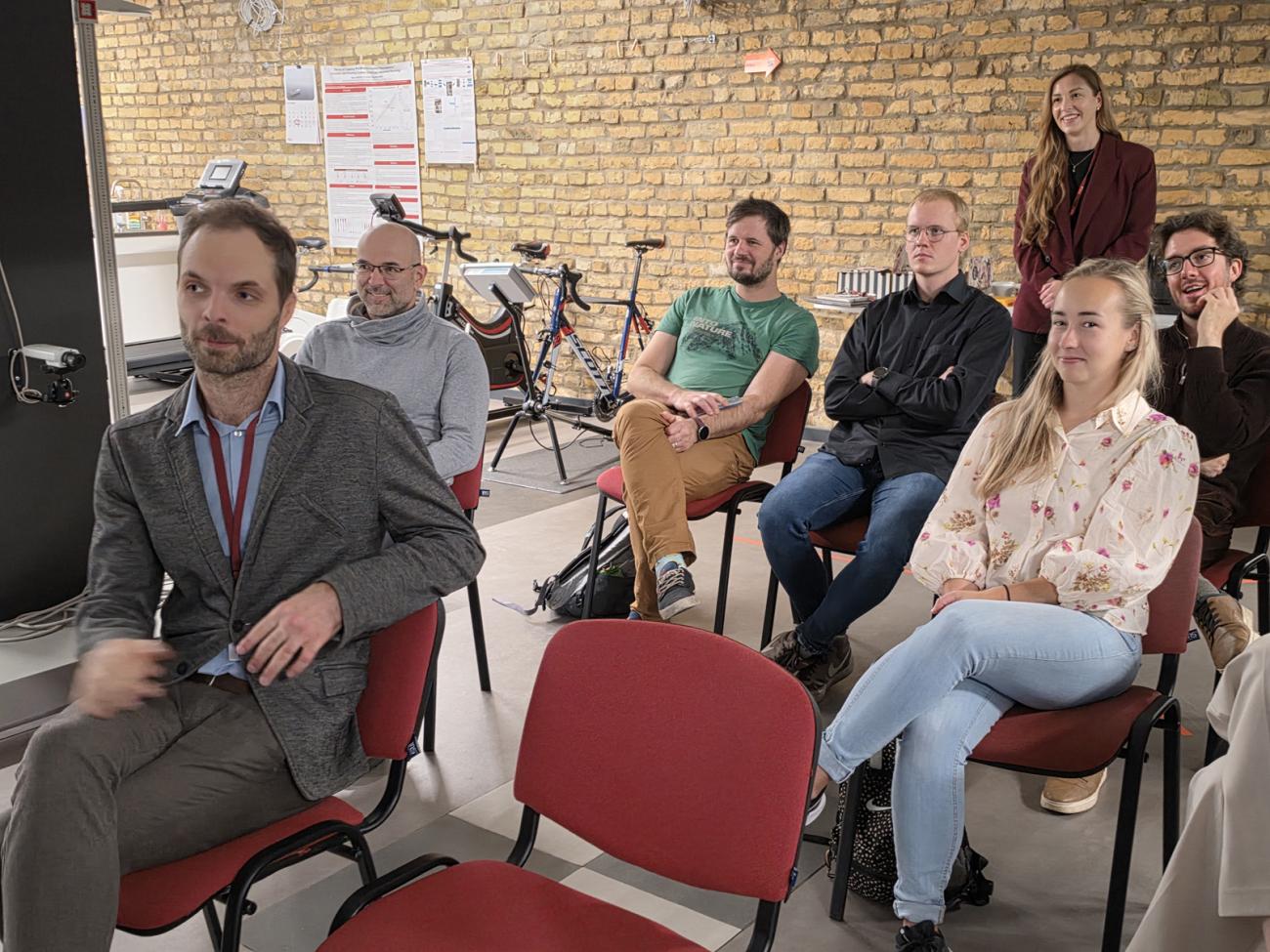
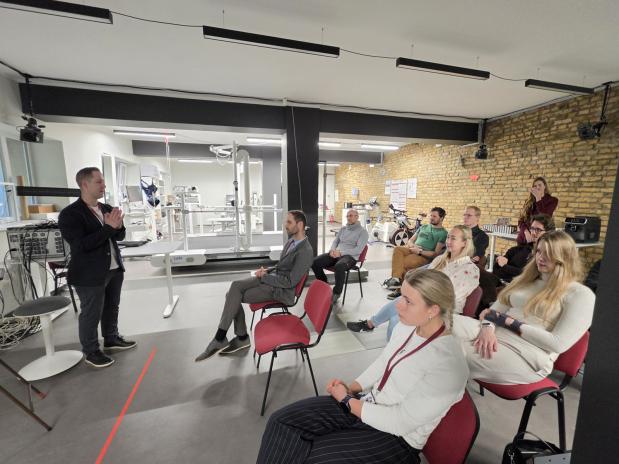
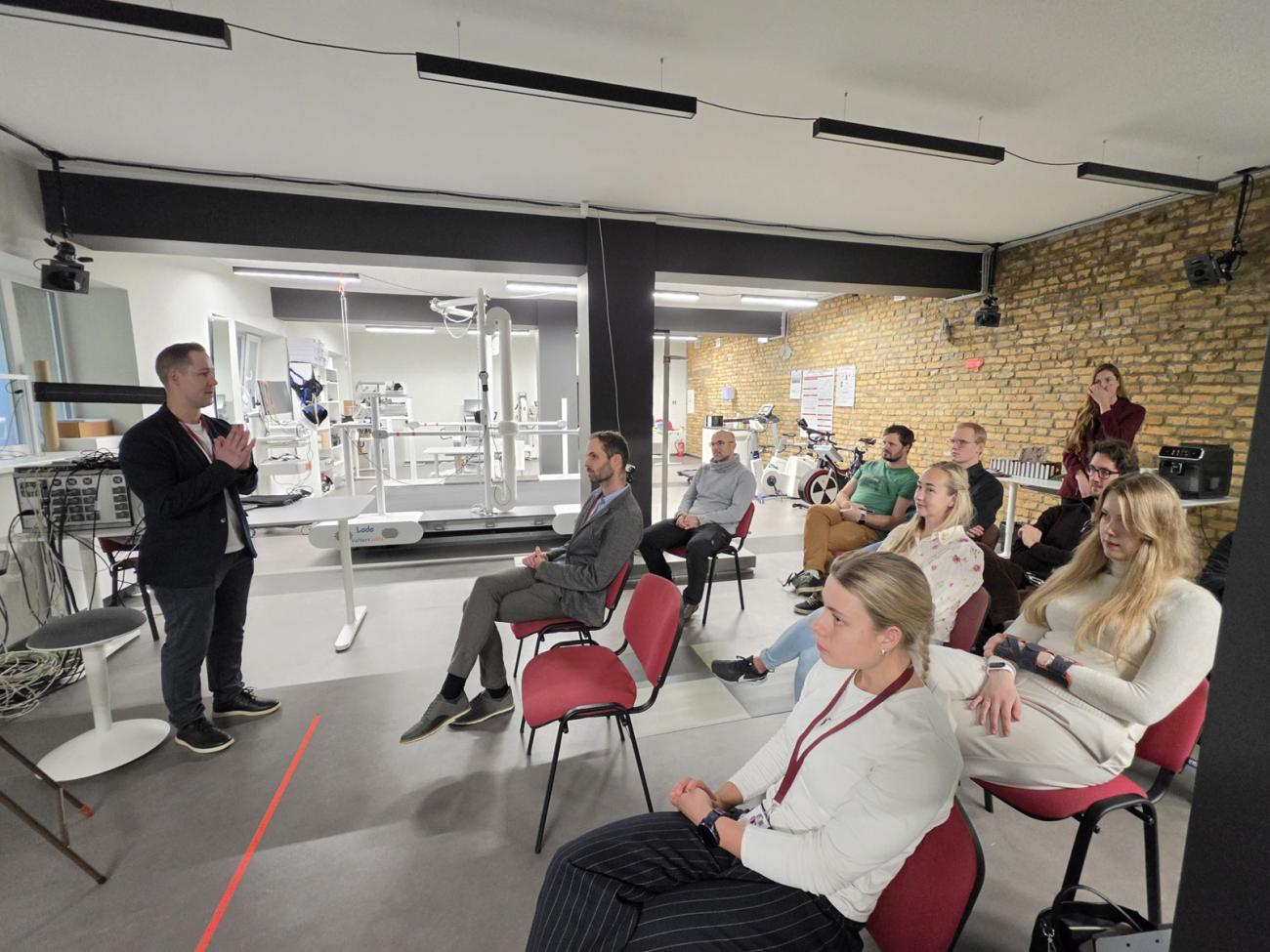
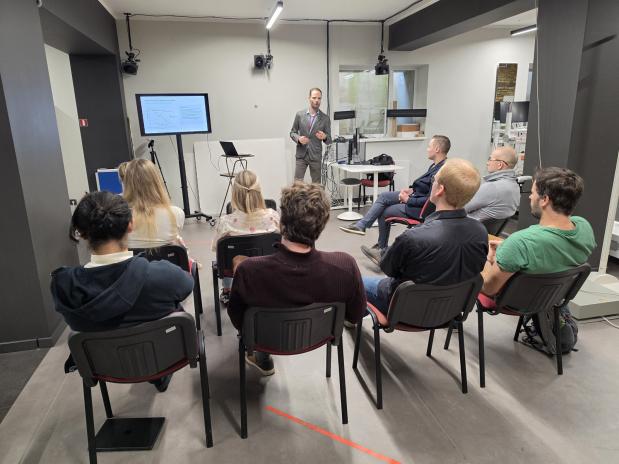
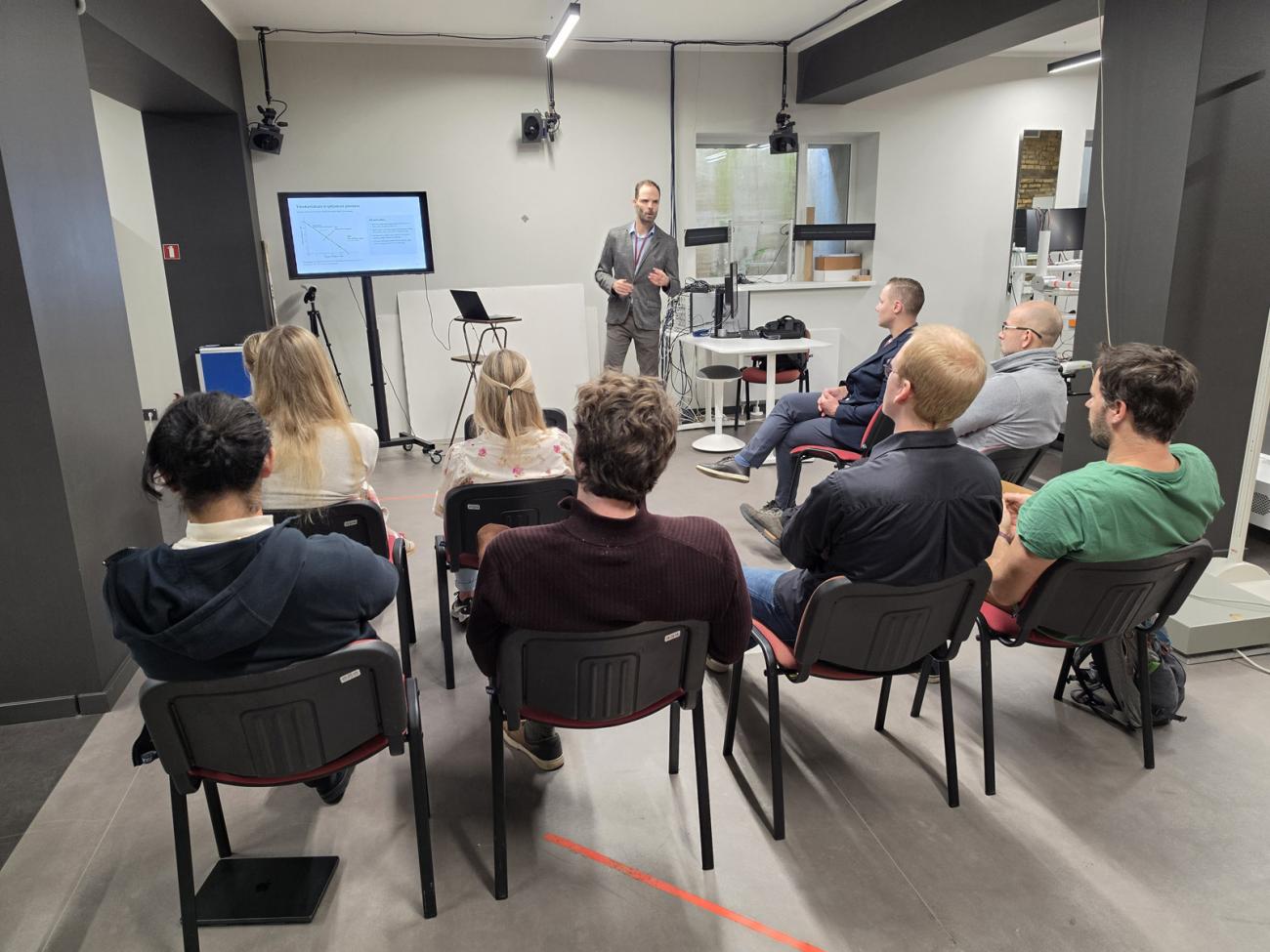
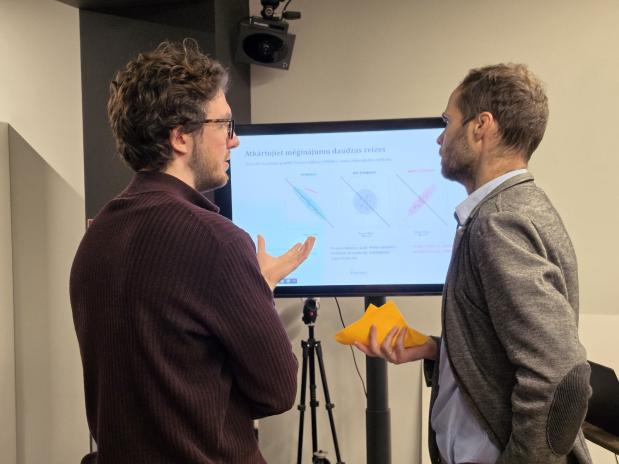
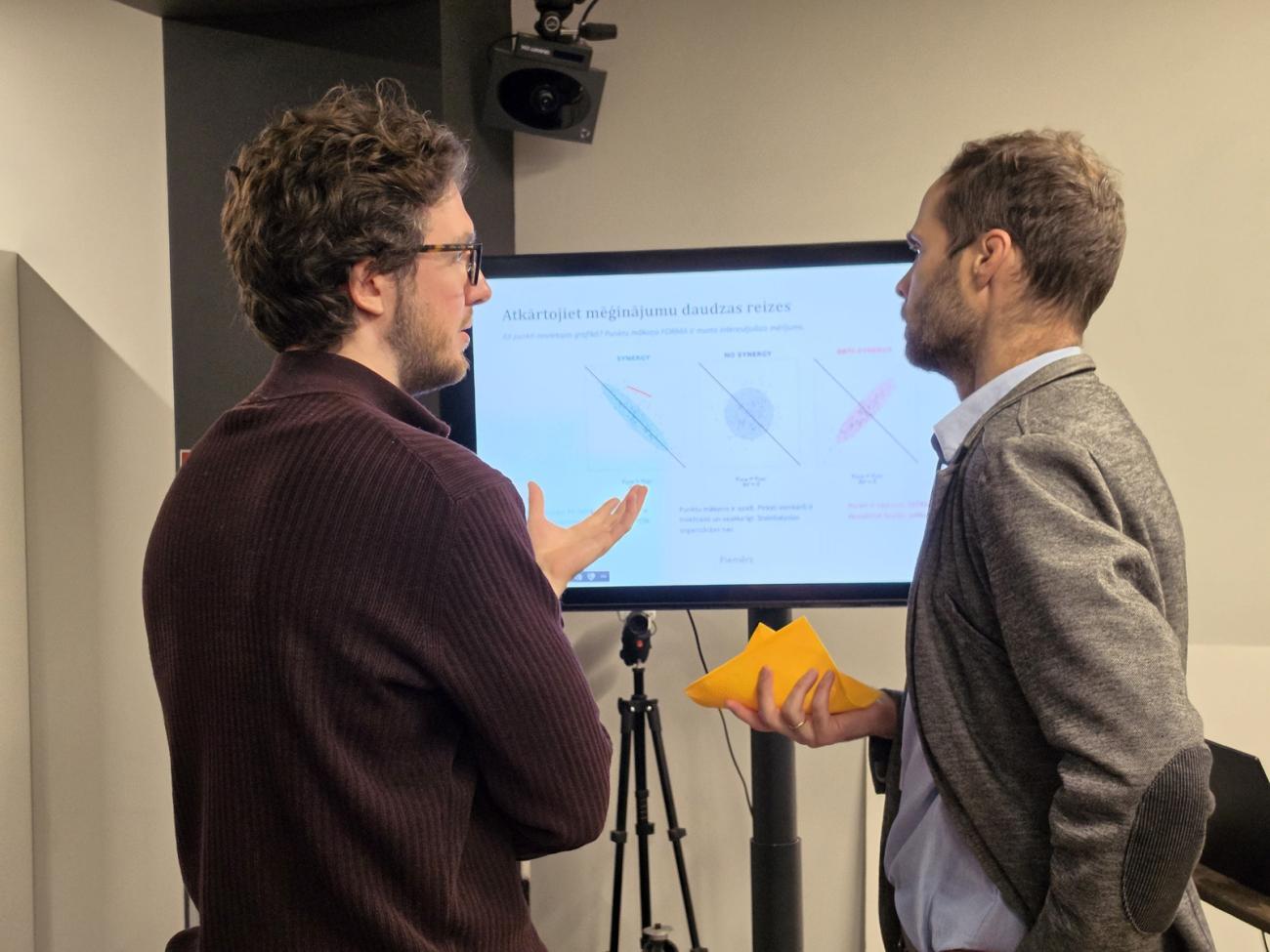
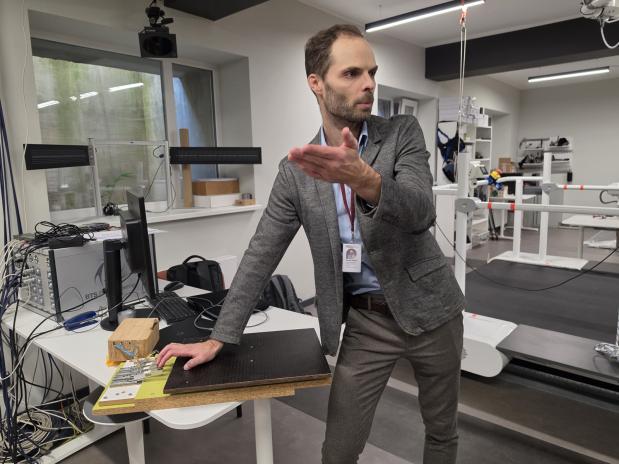
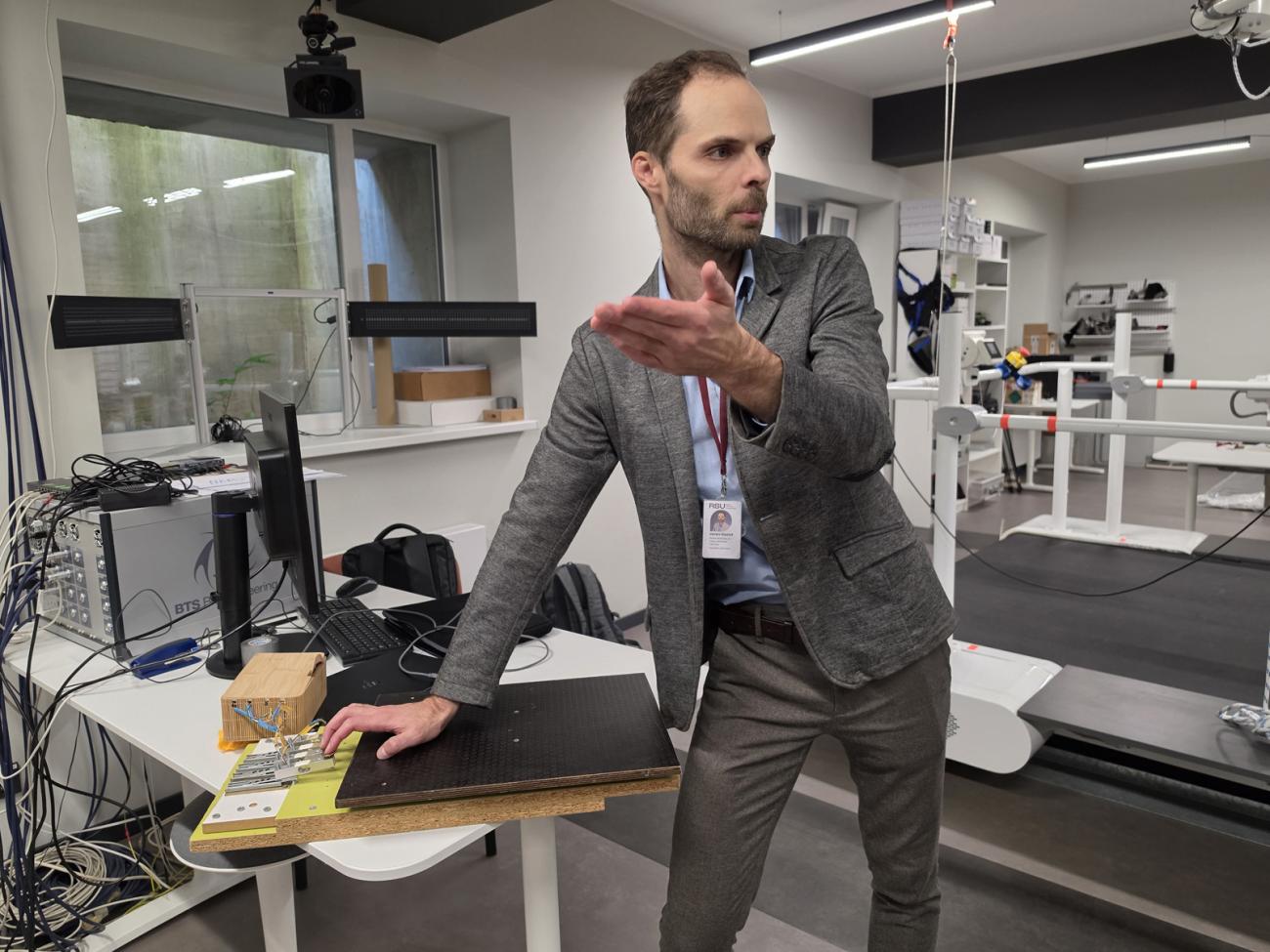
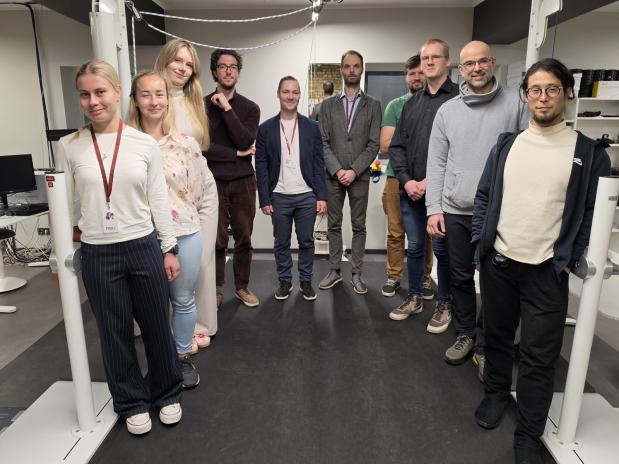
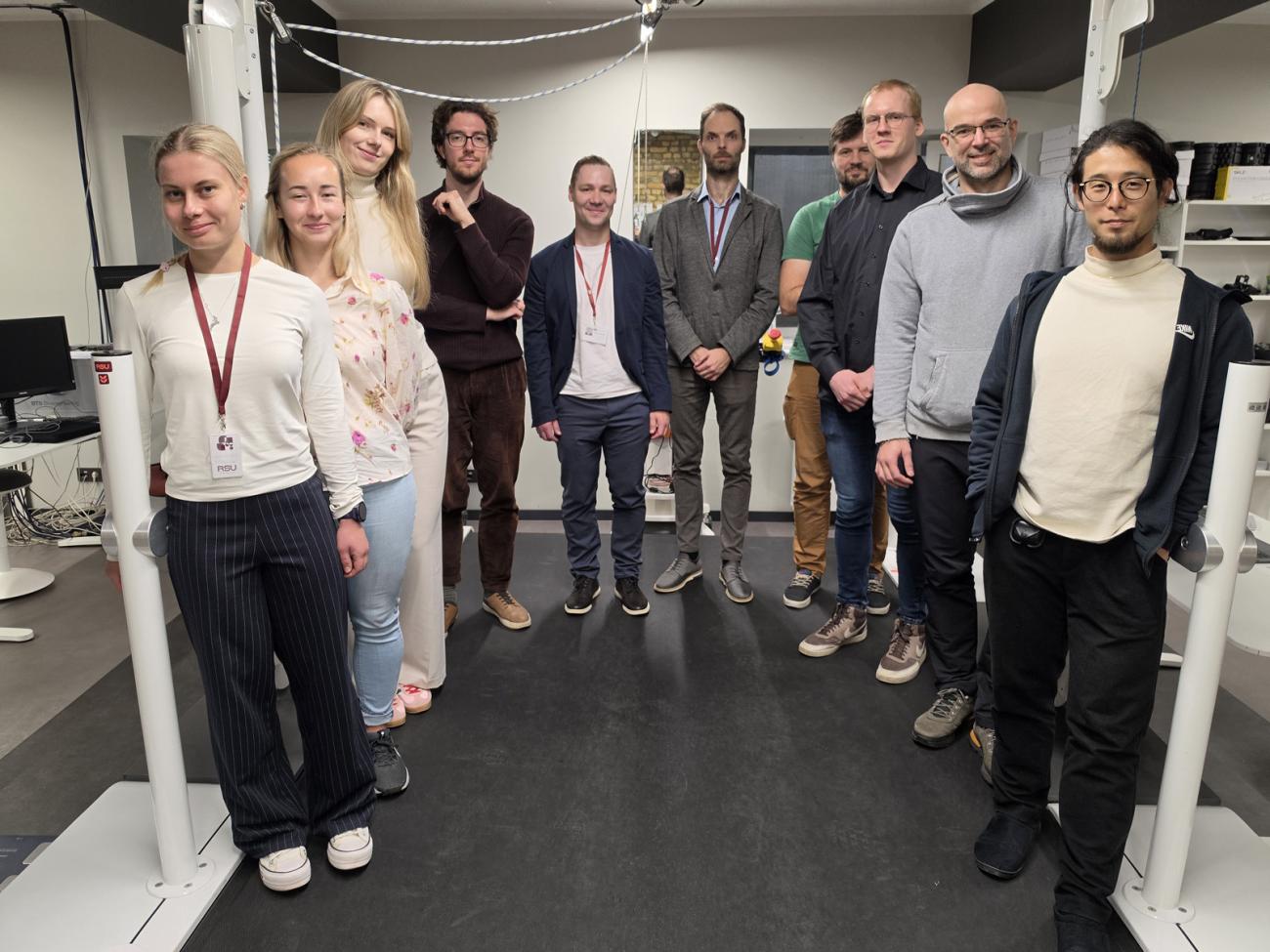


How does the human body maintain balance? Why are our movements never exactly identical? How can movement analysis help us understand neurological disorders or improve rehabilitation outcomes? Answers to these and other questions will be explored in the new ‘Human Movement Science’ event series at Rīga Stradiņš University (RSU), launched by the RSU Sports Healthcare Research Centre.
This new initiative aims to bring together researchers, healthcare specialists, sports industry professionals and students who study or apply knowledge on human movement and physical performance in their work. The series of events will serve as a regular platform for scientific discussions, the development of new ideas and the fostering of collaboration across various disciplines.
A platform for ideas, collaboration and new knowledge
Edgars Bernāns, Manager of the RSU Sports Healthcare Research Centre, emphasises that the study of movement is becoming increasingly important in both healthcare and sports science.
‘With this series of events, we wanted to create an environment where researchers and professionals from various fields can share their knowledge, discuss current research and establish new collaborations. Such an exchange of experience helps not only to advance science but also to explore opportunities of applying research findings in practice,’ says Bernāns.
The organisers aim to build a long-term knowledge community where experts from various fields can meet and new collaborations are established both in Latvia and internationally. This approach is particularly significant in fields where the study of human movement intersects with medicine, rehabilitation, sports science, physiotherapy and technology.
Why are human movements never the same?
At the first event in the series, Valters Āboliņš, visiting lead researcher at the Institute of Occupational Safety and Environmental Health with the RSU Science Hub, addressed one of the fundamental questions in movement science: how can the human body manage to ensure stable and coordinated movements, when every step, grip or movement differs slightly from the previous one?
The presentation ‘Repetition without Repetition: Stability and Synergies in Motor Control’ explained that variability in movement was not an error or a shortcoming. On the contrary – it enables people to adapt successfully to environmental conditions while maintaining movement precision, balance and coordination.
Although it is often believed that high-quality movement involves repeating the same action as precisely as possible, research shows that slight variations in movement are a natural and necessary part of the human movement system.
From fundamental science to practical solutions
Research into motor control helps us better understand not only how people move or coordinate their movements in everyday life, but also the mechanisms underlying various health conditions. Scientists note that analysing these processes can help improve our understanding of movement disorders associated, for example, with Parkinson’s disease, stroke and other neurological conditions.
The knowledge gained can be applied to improve rehabilitation methods, assess physical fitness, prevent injuries and develop personalised healthcare solutions.
A platform for future discussions
The upcoming ‘Human Movement Science’ event series will feature seminars, guest lectures, methodological workshops, training sessions and knowledge exchange events. These will include researchers, students, healthcare and sports industry professionals, as well as international experts.
The new initiative will complement RSU research activities in health, sport and rehabilitation, further strengthening the university’s role as a place for generating new knowledge on human capabilities, health and movement processes.
The next meeting is scheduled for 17 November this year. Colleagues from Japan will take part in discussions on the use of virtual reality and various sensor technologies in movement analysis and injury prevention.
Related news
 Sports 360°: RSU researchers to present recommendations for better sports sector governance in Latvia Research, Sports research