
In May, Rīga Stradiņš University (RSU) joined the Swedish Chamber of Commerce in Latvia (SCCL), becoming part of a network that promotes business, education, and cooperation between Latvia and Sweden. At the Chamber, RSU is represented by Chancellor Toms Baumanis.
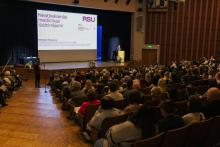
How can we involve patients not only as participants in research, but as active partners in shaping research priorities, study design, data use and digital health innovation?

Rīga Stradiņš University (RSU) has launched admissions for the 2026/2027 academic year, offering 75 study programmes implemented in Latvian and English. For the tenth consecutive year, RSU ranks first in reputation among Latvian higher education institutions. This year, prospective students are again offered state-funded study opportunities, with 1,056 places available in medicine, healthcare, and social sciences study programmes.
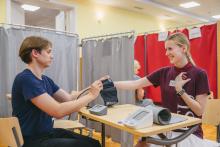
On Thursday, 4 June at 17:30, a presentation of the results of an anthropology study conducted by Rīga Stradiņš University (RSU) will take place in the chamber hall of the Liepāja Latvian Society House. Anyone interested will have the opportunity to learn about the data collected in Liepāja and across Kurzeme during the summer of 2025.
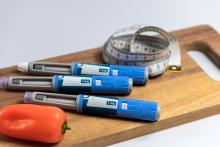
Overweight and the metabolic disorders associated with it are now among the major global public health challenges. Particularly dangerous is visceral fat – the fat that accumulates around internal organs and increases the risk of type 2 diabetes and cardiovascular disease.
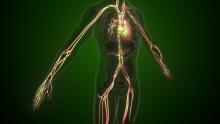
Energy metabolism determines how efficiently the body uses the energy obtained from food, both at rest and during physical activity. In practice, this process is often described using general calculations and equations based on average values established in specific research samples. However, Rudīte Lagzdiņa’s study, Factors influencing resting and exercise energy metabolism in adults, shows that even among healthy adults these “average” indicators can be misleading.

Rapid diagnostics and targeted medical education can help reduce inappropriate antibiotic use even more effectively. The author of the study Prescribing patterns of antibacterial therapy for children with acute infections in primary care in Latvia and the impact of multifactorial interventions on antibacterial prescribing, Zane Līkopa, emphasises: “In primary care, decisions often have to be made immediately, and without diagnostic tools there is a risk of prescribing antibiotics ‘just to be on the safe side’.”
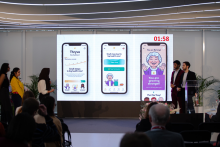
On Tuesday, 9 June, from 17:00 to 20:00, the Demo Day of the Rīga Stradiņš University business incubator B-Space incubation programme will take place in the lobby of the RSU Pharmaceutical Education and Research Centre at 21 Konsula iela 21 in Rīga.